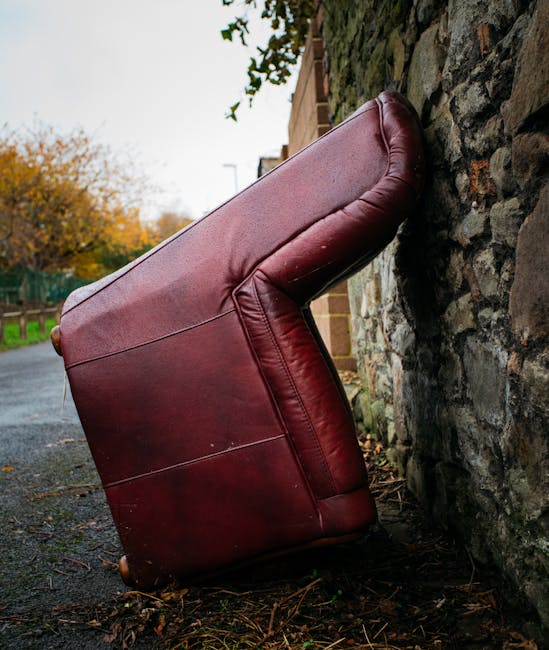
Affordable Bulky Waste Removal Costs for Yeading Homes
If you have an old sofa leaning awkwardly in the hallway, a broken wardrobe in the spare room, or a mattress that has somehow become part of the furniture, you are not alone. Homes in Yeading often end up with bulky items that are too awkward for a normal bin, too heavy for a quick DIY trip, and too urgent to leave sitting around for weeks. Understanding Affordable Bulky Waste Removal Costs for Yeading Homes can save you time, reduce stress, and help you choose a service that feels fair rather than mysterious.
Truth be told, the biggest mistake people make is assuming the cheapest quote is always the best deal. It rarely is. What matters is the full picture: what is included, how the waste is handled, whether the team is insured, and whether the final price is actually realistic for the amount of bulky rubbish you need taken away. In this guide, you will get a clear, local-minded breakdown of costs, methods, and decision points, with practical advice you can use straight away.
For readers who want to compare pricing alongside service standards, it can also help to review pricing and quote information and check the company's recycling and sustainability approach before booking.
Table of Contents
- Why Affordable Bulky Waste Removal Costs for Yeading Homes Matters
- How Affordable Bulky Waste Removal Costs for Yeading Homes Works
- Key Benefits and Practical Advantages
- Who This Is For and When It Makes Sense
- Step-by-Step Guidance
- Expert Tips for Better Results
- Common Mistakes to Avoid
- Tools, Resources and Recommendations
- Law, Compliance, Standards, or Best Practice
- Options, Methods, or Comparison Table
- Case Study or Real-World Example
- Practical Checklist
- Conclusion
- Frequently Asked Questions
Why Affordable Bulky Waste Removal Costs for Yeading Homes Matters
Bulky waste removal matters because large household items create a very specific kind of problem. They take up space fast, they are awkward to move safely, and they often cannot be left for regular collection. A single recliner or fridge freezer can sit in a corner and quietly dominate a room. Two or three items, and suddenly the home feels cluttered, harder to clean, and more stressful to live in.
For Yeading homes, affordability matters just as much as speed. Many households are balancing practical clear-outs with tight budgets, whether it is after a move, a renovation, a bereavement, a downsizing project, or simply the slow build-up of things that have lost their usefulness. Affordable does not mean cut-rate. It means getting a service that is priced fairly for the volume, labour, access, and disposal involved.
There is also a less obvious reason this topic matters: bulky waste can become a safety issue. A heavy item stored in a hallway or on a landing can create trip hazards. In smaller spaces, it can block access and make daily life oddly cumbersome. If you have ever had to squeeze past a mattress propped against the wall while carrying shopping, you will know the feeling. Not ideal.
Key takeaway: The most affordable bulky waste removal service is not always the cheapest on paper. It is the one that gives you a clear price, handles the job safely, and disposes of items responsibly without surprises later.
How Affordable Bulky Waste Removal Costs for Yeading Homes Works
Most bulky waste removal services price jobs based on a combination of size, weight, labour, access, and disposal type. That sounds technical, but in plain English it usually comes down to three things: how much stuff you have, how hard it is to remove, and what the items are made of.
A small job might be a single sofa, a couple of armchairs, or a broken bed frame. A larger job could include a full garage clear-out, an old dining set, wardrobes, white goods, and garden furniture. The more items there are, the more time and vehicle space the job may need. If the items are on an upper floor, in a loft, or tucked behind narrow stairways, labour costs can rise a little too. That is not the service being awkward; it is simply the extra work involved.
In many cases, the process starts with a description or photo-based quote. You explain what needs removing, where it is in the property, and whether there are any access issues. A reliable provider will then give a clear estimate or a fixed price based on that information. If the quote is vague, ask questions. A fair quote should make sense when you read it twice, not leave you squinting like you have missed a line in the small print.
Here is the usual flow:
- You list the items, ideally with photos.
- The provider estimates the load, labour, and disposal requirements.
- You receive a price or a price range.
- The team arrives, removes the items, and loads them safely.
- The waste is sorted for reuse, recycling, or disposal.
For peace of mind, some households prefer to review a provider's insurance and safety information before agreeing to a booking, especially when items need carrying through tight internal spaces.
Key Benefits and Practical Advantages
The obvious benefit is simple: the clutter goes. But affordable bulky waste removal brings a few other practical advantages that people often appreciate only after the job is done.
- Faster room recovery: A cleared room feels usable again almost immediately. That spare bedroom that has become a storage dump can suddenly serve a real purpose.
- Less strain: Heavy lifting is no joke. One awkward tumble can turn a small clear-out into a very long week.
- Cleaner property presentation: This matters if you are preparing to sell, let, or simply want the home looking decent again.
- Reduced disposal hassle: No need to hire a van, drive to a tip, or work out which items are accepted where.
- More predictable costs: When the pricing is transparent, you can budget properly instead of guessing.
There is also a small but real emotional benefit. A cluttered room can hang over you every time you walk past it. Once the bulky waste has gone, the space feels lighter. That may sound a bit sentimental, but it is true. People notice the difference straight away, usually with a long exhale and a quick look around the room, as if they have only just realised how much the items were getting in the way.
Who This Is For and When It Makes Sense
Bulky waste removal is useful for a wide range of Yeading households. It is not just for major clear-outs or renovation projects. Often, it is the small-to-medium jobs that make the most sense to outsource.
This service may be right for you if you are dealing with:
- old sofas, armchairs, and mattresses
- broken wardrobes, desks, tables, or shelving
- white goods such as washing machines or fridges
- garden furniture, shed contents, or outdoor clutter
- moving-day leftovers that did not make the cut
- loft, garage, or spare-room overflow
- items left after a tenant move-out or household change
It also makes sense when your own time is limited. Let's face it, a bulky item that has sat untouched for months rarely becomes easier to deal with. It just becomes more annoying. If you are juggling work, children, transport, or mobility limitations, a removal service can be a practical way to reclaim the space without turning the weekend into a hauling exercise.
For many customers, the decision comes down to this: is the hassle of doing it yourself worth the money you might save? Sometimes yes. Often, no. Especially if you need two people, a vehicle, and a trip to a disposal site that may not be as quick as you hoped.
Step-by-Step Guidance
If you want to keep costs under control, the smartest approach is to prepare properly before booking. A little organisation can make a noticeable difference.
1. Make a list of everything you want removed
Walk through the property and note each item. Be specific. "Two seat sofa, single mattress, one dismantled wardrobe, three black bags of mixed waste" is much more useful than "some rubbish." The clearer your list, the easier it is to get a fair quote.
2. Take photographs from a few angles
Photos help the provider judge size, access, and handling requirements. If an item is in a loft or behind another stack of furniture, show that too. A quick image now can prevent confusion later.
3. Check access routes
Think about stairs, narrow hallways, low ceilings, parking access, and whether items need to be carried a long distance to the vehicle. These practical details matter, sometimes more than the items themselves.
4. Ask what is included in the price
Does the quote include labour, loading, disposal, and VAT if applicable? Are there extra charges for heavy lifting or difficult access? A good provider will answer clearly.
5. Confirm timing and arrival windows
If you need a same-day or next-day collection, say so early. Quick jobs are convenient, but they can also be busier. A slightly flexible window may help keep the price lower.
6. Review sustainability and disposal standards
You may want items reused or recycled where possible rather than sent straight to landfill. A responsible provider should be able to explain how they handle sorting and recovery. If that matters to you, ask directly and check their recycling and sustainability commitment.
7. Keep payment simple and documented
Use a service that has clear payment terms and proper paperwork. It is basic, but important. You do not want confusion at the end of the job when the van is already outside and everyone is ready to move on.
Expert Tips for Better Results
Here are the little things that tend to save money or prevent headaches. None of them are flashy, but they work.
- Group items together: A single collection of several bulky items is usually more efficient than separate visits.
- Separate hazardous or specialist waste: Do not mix ordinary household bulky waste with items that need special handling. It can complicate the quote.
- Disassemble what you safely can: A flat-pack wardrobe that has already been taken apart is easier to remove than one still standing in pieces like a broken puzzle.
- Be honest about item condition: Water damage, infestation, or sharp breakage can affect handling.
- Book with flexibility if possible: Off-peak scheduling can sometimes make pricing more manageable.
A small but useful tip: if you think something might be reused, say so. Chairs, tables, and some furniture can often be diverted for reuse depending on condition. That can support a greener outcome and sometimes a more efficient collection. Not always, but often enough to ask.
And one more thing. If a quote sounds unusually low, ask what happens if the load turns out bigger than expected. A price that changes the second the van arrives is not a bargain. It is a headache wearing a smile.
Common Mistakes to Avoid
People usually do not overspend because they are careless. They overspend because they are rushed or under-informed. Fair enough. Here are the most common traps.
- Not measuring the items: A rough guess can be wildly off, especially with large furniture.
- Forgetting access costs: A ground-floor item near the entrance is much easier than something on the top floor with no lift.
- Leaving the quote too vague: "A few things" is not enough detail for an accurate price.
- Choosing on price alone: Cheap can become expensive if the job is not done safely or properly.
- Not checking disposal practices: Responsible handling matters, especially if you care about recycling or legal compliance.
- Waiting until the last minute: Urgent bookings can be more difficult to arrange and may reduce your options.
One common mistake is assuming a bulky waste job is the same as a general house clearance job. Sometimes there is overlap, yes, but the pricing logic can differ. Bulky waste tends to focus on specific large items and how they are removed. House clearances may involve broader contents and more sorting. That distinction matters when you compare quotes.
Tools, Resources and Recommendations
You do not need a van full of specialist kit to prepare well. A few simple tools and habits can make the whole process smoother.
- Phone camera: Use it to photograph items and awkward access points.
- Tape measure: Handy for checking sofa widths, mattress sizes, or wardrobe dimensions.
- Notebook or notes app: Keep a short inventory so nothing gets forgotten.
- Basic gloves: Useful if you are sorting or moving lightweight items before collection.
- Labels or tape: Mark items that are definitely going and those that are staying.
For service-related guidance, many homeowners like to look at a company's about us page to understand who is behind the work, and their health and safety policy if the job involves careful lifting, stairs, or tight spaces. Those pages are not exciting, granted, but they do tell you a lot about how seriously a company takes the job.
If you want to check how the process works before booking, you can also review the main website homepage and the contact details page to ask about your specific collection.
Law, Compliance, Standards, or Best Practice
For bulky waste removal, compliance is mostly about responsible handling, clear communication, and using a provider that follows standard waste management practice. You do not need to become an expert in waste law to make a sensible choice, but a few points are worth keeping in mind.
First, if a service collects and removes waste on your behalf, you want confidence that it is being transported and processed responsibly. In the UK, waste must be handled in line with relevant rules and duty-of-care expectations. In plain English, that means the waste should not simply disappear into a mystery pile somewhere. Good providers should be able to explain their process in straightforward terms.
Second, safety matters. Bulky items are often awkward, heavy, or unstable. Proper lifting techniques, suitable equipment, and sensible planning reduce the risk of damage or injury. That is one reason insurance is worth checking rather than assuming. If something gets scratched, dropped, or knocked during removal, you want a company that has thought about that before it happens.
Third, transparency is a best practice in itself. Clear pricing, defined collection scope, and honest handling of additional charges are signs of a professional service. If terms are unclear, ask before you agree. That is not being difficult; it is being careful.
You may also want to look at the company's terms and conditions and payment and security information if you are booking online or over the phone. It is a small step, but it can save a lot of second-guessing later.
Options, Methods, or Comparison Table
There are several ways Yeading homeowners handle bulky waste, and each one suits a different situation. The cheapest method depends on your time, physical effort, access to transport, and how many items you have.
| Option | Best for | Pros | Cons |
|---|---|---|---|
| DIY disposal | One or two manageable items | Can save money if you already have transport and help | Time-consuming, heavy lifting, may involve multiple trips |
| Council collection | Simple low-urgency collections | May suit straightforward household items | Availability, item limits, and timings may be less flexible |
| Private bulky waste removal | Urgent, awkward, or multiple-item jobs | Convenient, faster, includes loading and disposal | Usually costs more than doing it yourself |
| Reuse or donation where possible | Items in good condition | May extend item life and reduce waste | Not suitable for damaged or heavily worn items |
For many households, private removal is the best balance between convenience and predictable cost. If you have a full set of broken furniture or a tight schedule, the extra expense can be worth it. If you only have one small item and plenty of time, another route may make more sense. There is no single right answer. Just the right answer for your day, your budget, and your back.
Case Study or Real-World Example
Here is a realistic example based on a common Yeading household scenario. A family is preparing a front room for repainting. They have a three-seater sofa, an old coffee table, a broken TV stand, and two bulky armchairs that have been pushed into the corner for months. Every time someone opens the door, the room feels tighter than it should. The items are not dangerous, exactly, but they are always in the way.
They start by taking a few clear photos and measuring the sofa and armchairs. They note that the items are on the ground floor, with easy access through the front door. That keeps the quote simpler. They also mention that the coffee table is already partly dismantled. The provider can now assess the job with much better confidence.
The family chooses a collection slot that fits around school runs and work. On the day, the team arrives, loads the items efficiently, and clears the room in one visit. The family still has to sweep the floor afterwards because dust always finds a way, but the space is open again. The paint tins come out, the room gets a fresh start, and the whole house feels a bit calmer.
This kind of job often ends up being more about regaining use of a space than about the furniture itself. That is the real value. Not just removal, but relief.
Practical Checklist
Use this quick checklist before you request a quote or confirm a booking.
- List every bulky item clearly
- Take photos of the items and access routes
- Measure large pieces where possible
- Check whether anything is reusable or recyclable
- Confirm what the quote includes
- Ask about labour charges, access issues, and extra costs
- Review insurance, safety, and terms information
- Choose a time slot that suits your schedule
- Keep pathways clear for safe removal
- Make sure payment terms are understood in advance
If you want reassurance before booking, it can help to look at the company's complaints procedure as well. Hopefully you will never need it, but knowing it exists says something useful about transparency.
Conclusion
Affordable bulky waste removal for Yeading homes is really about balance: fair pricing, clear communication, safe lifting, and responsible disposal. Once you understand how the cost is built, you are in a much better position to spot a good quote, avoid hidden extras, and choose a service that genuinely suits your home rather than just sounding cheap at first glance.
Whether you are clearing one stubborn item or several rooms' worth of awkward furniture, the smartest approach is always the same. Be specific, ask the right questions, and look beyond the headline price. That way you are not just paying less. You are paying wisely.
Get a free quote today and see how much you can save.
And if you are still deciding, that is fine too. A good plan today can make next week feel far lighter.
Frequently Asked Questions
How much do affordable bulky waste removal costs for Yeading homes usually depend on?
Costs usually depend on the number of items, their size and weight, the ease of access, and whether the team needs to do extra lifting or disassembly. The type of item matters too, because some waste is simpler to process than others.
Is bulky waste removal cheaper than hiring a van and doing it myself?
Sometimes, but not always. DIY can seem cheaper if you already have transport and help, yet once you add fuel, time, loading effort, and disposal logistics, private removal can be better value for many households.
What items count as bulky waste?
Common bulky items include sofas, mattresses, wardrobes, desks, tables, chairs, white goods, and garden furniture. If an item is too large for a normal bin collection, it usually falls into bulky waste territory.
Can I save money by preparing items in advance?
Yes, often you can. Taking photos, measuring items, separating reusable pieces, and making access easier can all help reduce confusion and improve the accuracy of the quote.
Do I need to be home for the collection?
Usually, yes, or at least someone should be available to confirm the items and allow access. Some collections can be arranged with prior instructions, but this depends on the provider and the property setup.
What if the items are on an upper floor?
Upper-floor collections may cost more because they involve extra handling and time. That does not mean they are unreasonable; it just reflects the practical work involved in removing heavy items safely.
Are recyclable items separated during removal?
They should be wherever possible. Responsible providers aim to sort items for reuse or recycling before disposal. If this matters to you, ask how the service handles different materials.
How fast can bulky waste usually be removed?
Timing depends on demand and the provider's schedule. Some collections can be arranged quickly, while others need a little more notice. If the job is urgent, mention that early when you enquire.
What should I ask before booking a collection?
Ask what is included in the price, whether there are extra charges, how the waste is handled, and whether the company has suitable insurance and safety procedures. Clear answers usually lead to fewer surprises.
Can a bulky waste service remove broken furniture and damaged items?
Yes, in most cases. Damaged items are very common. The only caution is that breakage, sharp edges, or contamination may affect how the items are handled and priced.
Is it worth paying more for a company with clearer policies?
In many cases, yes. Transparent terms, payment clarity, insurance, and safety standards are all signs of a professional service. A slightly higher price can be a better overall value if the service is reliable and well run.
How do I get started if I want a quote?
Gather your item list, take a few photos, and send a clear enquiry with your Yeading address and access details. You can then review the quote and decide whether it fits your budget and timing.
For more information on service details and booking support, you may also find the company's contact page useful. It is the simplest way to ask about your own collection, and sometimes that quick conversation clears everything up in minutes.