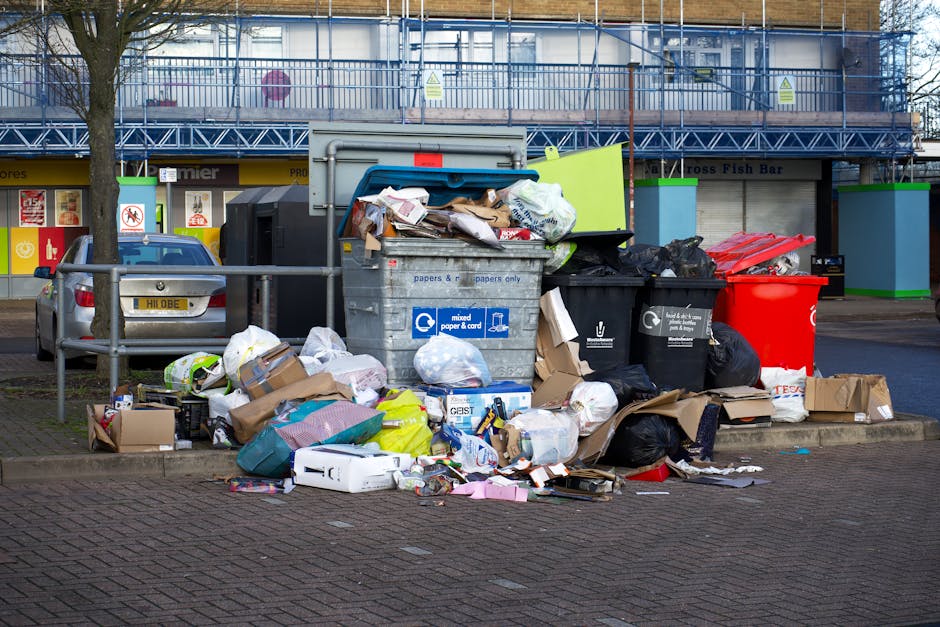
Best Drop-Off Points for Rubbish in UB4 Yeading
If you live or work in Yeading, rubbish has a way of piling up at the worst possible moment. A loft sort-out suddenly becomes a weekend project. A broken wardrobe sits in the hallway for three days. The garage starts looking less like storage and more like a museum of old bits and bobs. That is where understanding the best drop-off points for rubbish in UB4 Yeading really helps.
This guide is designed to save you time, stress, and a few unnecessary trips. You will find out what counts as a sensible drop-off option, how to choose the right place for different waste types, what to check before you load the car, and when a collection service may be the easier route. We will also cover safety, common mistakes, and practical next steps for homes, flats, offices, and renovation jobs. To be fair, most people do not need a waste management lecture. They just need clear answers. So that is what this is.
If you are planning a bigger clearance, it can also help to look at related services such as waste removal in Yeading, house clearance, or even builders waste clearance if the mess is tied to renovation work. Sometimes the smartest option is not the nearest one; it is the one that matches the waste properly.
Table of Contents
- Why Best Drop-Off Points for Rubbish in UB4 Yeading Matters
- How Best Drop-Off Points for Rubbish in UB4 Yeading Works
- Key Benefits and Practical Advantages
- Who This Is For and When It Makes Sense
- Step-by-Step Guidance
- Expert Tips for Better Results
- Common Mistakes to Avoid
- Tools, Resources and Recommendations
- Law, Compliance, Standards, or Best Practice
- Options, Methods, or Comparison Table
- Case Study or Real-World Example
- Practical Checklist
- Conclusion
- Frequently Asked Questions
Why Best Drop-Off Points for Rubbish in UB4 Yeading Matters
At first glance, rubbish drop-off sounds simple. You take waste somewhere, leave it, and go home. But in practice, choosing the right disposal point can affect cost, convenience, recycling performance, and whether you stay on the right side of local rules. In a busy part of West London, where roads, parking, and storage space can all be tight, that matters more than people expect.
Yeading includes a mix of family homes, flats, small businesses, trades jobs, and garden-heavy properties. That means the waste stream is often mixed too: old furniture, cardboard, green waste, broken plasterboard, DIY rubble, and the occasional mystery item from the back of the shed. Different rubbish types need different handling. A good drop-off point makes that sorting easier, and a poor choice can mean wasted fuel, extra fees, or being turned away at the gate. Not ideal, really.
There is also an environmental side. Using the right drop-off point improves recycling rates and reduces the chance of recyclable materials ending up as general waste. If sustainability matters to you, it is worth reading about recycling and sustainability before you tip everything into one load. A small amount of planning can make a big difference, especially for bulky or mixed items.
How Best Drop-Off Points for Rubbish in UB4 Yeading Works
In simple terms, a drop-off point is a place where you can take waste yourself instead of arranging a collection. That may include a local reuse or recycling facility, a commercial waste drop-off location, or a transfer station that accepts specific categories of rubbish. The exact process depends on the type of waste and the site rules.
Most facilities will ask you to separate waste before arrival. Some accept only household waste, while others allow trade waste, green waste, timber, metal, cardboard, or inert construction materials. Inert waste is the sort that does not rot or burn easily, such as bricks, concrete, and rubble. If you are unsure, it is better to ask in advance than arrive with the boot full of the wrong stuff. That awkward moment at the barrier is nobody's favourite.
For larger clearances, drop-off is only one route. A lot of people in UB4 combine it with direct clearance support, especially if they are dealing with a full flat, office, loft, or garage. Services like flat clearance, garage clearance, or loft clearance can remove the awkward lifting and sorting from the equation entirely.
The key thing to understand is that "best" does not always mean closest. It means the most suitable for your waste type, volume, timing, and vehicle. That little distinction saves a lot of faff.
Key Benefits and Practical Advantages
Using the right rubbish drop-off option offers a few very real advantages. Some are obvious, some less so.
- Faster disposal: You can get rid of waste the same day if the site is open and the load is accepted.
- Better sorting: Separate disposal often means more recycling and less landfill-bound waste.
- Lower stress: You are not trying to store an old sofa or broken cabinet in the hallway for another week.
- Potential savings: For smaller loads, self-drop-off can be cheaper than a full collection service.
- Control over timing: Useful if you want to clear waste before guests arrive, a tenancy change, or a builder's next visit.
There is also a practical benefit that people overlook: visibility. When you load your own waste, you see exactly what is going out. That makes it easier to decide what can be reused, donated, recycled, or taken as general rubbish. It is a small thing, but it helps.
For bulky items, though, self-drop-off is not always the easiest route. A worn-out sofa, for example, can be a back-ache waiting to happen. In those cases, furniture disposal or furniture clearance can be the more sensible option, especially if stairs are involved or the item is heavy, awkward, or partly dismantled.
Who This Is For and When It Makes Sense
This topic is relevant to a surprisingly wide range of people. If you recognise yourself in any of the following, you are in the right place.
- Homeowners doing a tidy-up, renovation, or garden clear-out
- Tenants and landlords managing move-out waste or leftover furniture
- Tradespeople dealing with bagged builders waste or mixed site debris
- Local businesses clearing stock, packaging, office clutter, or old fixtures
- Families dealing with garage, loft, or shed overflow
- Anyone short on time who wants a straightforward disposal plan
It makes sense to use a drop-off point when the load is manageable, the waste type is accepted, and you have the vehicle space to transport it safely. A few bags, some cardboard, and a broken chair? Fine. A full house clearance after a tenancy? Probably not the best use of your Saturday, truth be told.
If your waste is business-related, it is worth checking whether a dedicated service would be smoother. For example, business waste removal and office clearance are often better suited to desks, filing cabinets, packaging, and regular commercial waste streams. Less guesswork. Less loading. Less standing around wondering what on earth to do with seven old swivel chairs.
Step-by-Step Guidance
If you want the most efficient approach, follow a simple process before heading out.
- Identify the waste type. Separate general rubbish, recyclables, furniture, green waste, and construction debris.
- Estimate the volume. A few bags is one thing; a trailer load is another.
- Check the site rules. Confirm what is accepted, what proof you may need, and whether booking is required.
- Sort before you leave. Put like with like wherever possible. Cardboard with cardboard, metal with metal, and so on.
- Pack safely. Use gloves, secure loose items, and avoid overloading the vehicle.
- Load in practical order. Heavy items first, lighter items on top, and anything sharp wrapped or covered.
- Allow extra time. Traffic, queues, and unloading rules can all slow things down, especially on a busy afternoon.
- Dispose responsibly. Follow site instructions carefully. Do not leave waste outside the boundary or in the wrong bay.
If you are dealing with garden waste, it can help to gather it separately from general household rubbish. Grass cuttings, branches, hedge trimmings, and soil all behave differently at disposal sites. For many Yeading homes, garden clearance is the neatest route when the pile is more hedge than bin bag.
For building work, think about dust, weight, and sharp edges. Rubble, tiles, timber offcuts, and plasterboard may all have different rules. That is where builders waste clearance becomes useful, because it keeps mixed site waste under control instead of turning your driveway into a mini depot.
Expert Tips for Better Results
The difference between a smooth drop-off and a frustrating one usually comes down to preparation. A few small habits make a big difference.
- Call ahead if the load is unusual. If you have mattresses, electricals, paint, or mixed construction waste, check acceptance first.
- Keep receipts and any booking details. Handy if you need proof of disposal later.
- Use sturdy bags and boxes. Thin bags split at the worst moment. Always.
- Keep liquids separate. Wet waste can spoil a load and create a mess in the vehicle.
- Think about reuse before disposal. A table, chest of drawers, or office chair may be suitable for reuse if it is still sound.
- Factor in access and parking. What looks like a quick trip can become annoying if you cannot park near the drop-off bay.
A useful rule of thumb: if the waste is awkward, heavy, or hard to describe, it probably deserves a phone call first. This is where a service like home clearance can be a calmer solution than trying to wrestle everything into a hatchback at half past seven on a drizzly evening.
Expert summary: The best rubbish drop-off choice is the one that matches the waste type, your vehicle, and your time available. In practice, that usually means sorting first, checking acceptance rules, and deciding early whether self-drop or professional collection will be less hassle overall.
Common Mistakes to Avoid
People tend to make the same handful of mistakes, and the good news is they are easy to avoid once you know them.
- Taking mixed waste without sorting it. Sites often charge differently or reject mixed loads altogether.
- Assuming all electrical items are accepted the same way. Fridges, monitors, and small appliances may follow different routes.
- Overfilling the vehicle. A badly packed load is unsafe and can be turned away.
- Ignoring opening hours. Arriving five minutes after closing is a classic, mildly heartbreaking mistake.
- Leaving waste outside a closed site. That can create litter, legal problems, and an unnecessary headache.
- Using the wrong disposal route for bulky furniture. A sofa is rarely worth three trips and a strained shoulder.
There is also the temptation to throw everything into "general rubbish" just to be done with it. Tempting, yes. Sensible, not really. Aside from the possible extra cost, you miss recycling opportunities and may create issues at the site. A little patience upfront usually saves time in the end.
Tools, Resources and Recommendations
You do not need specialist equipment for most small drop-offs, but a few practical items make the job much easier.
| Item | Why it helps | Best for |
|---|---|---|
| Heavy-duty rubble sacks | Reduces tearing and keeps dusty waste contained | DIY and garden waste |
| Gloves | Protects hands from sharp edges, dirt, and splinters | All waste handling |
| Ratchet straps or rope | Keeps loads secure during transport | Furniture, timber, mixed loads |
| Tarpaulin or blanket | Covers loose or delicate waste | Bulky or dusty items |
| Basic sorting boxes | Makes it easier to separate recyclables | Cardboard, metals, small items |
For larger clearances, a professional quote may actually be the more efficient resource. If you are comparing options, take a look at pricing and quotes so you can judge the cost against the time and effort saved. Sometimes the cheaper option on paper becomes the expensive one once fuel, labour, and multiple trips creep in.
If safety or trust is a concern, browse insurance and safety and health and safety policy. These pages are useful when you are arranging disposal for a home, office, or rental property and want to know the work is handled properly.
Law, Compliance, Standards, or Best Practice
Waste disposal in the UK carries basic responsibilities, even for ordinary household jobs. The main principle is simple: you should only use legitimate, appropriate disposal routes and avoid handing waste to anyone who may dump it illegally. If a deal sounds suspiciously cheap and someone is vague about where the waste goes, that is a red flag.
For householders, the safest approach is to use recognised drop-off points or a reputable clearance provider. For businesses, the expectations are usually stricter. Commercial waste should be handled in line with appropriate duty-of-care practices, and records may matter. If your workplace is clearing old stock, fixtures, or office equipment, it is sensible to use a service that understands those requirements, such as office clearance or business waste removal.
Best practice also means separating hazardous or problematic items from the standard load. Paint, oils, chemicals, gas canisters, and certain electricals may need special handling. If you are unsure, ask before transport. That is not overcautious; it is just sensible.
One more point: keep the load tidy during transport. Safe securing of waste is part of good practice. Flying debris on the way to a site is nobody's idea of a clean disposal run.
Options, Methods, or Comparison Table
There is more than one way to clear rubbish from UB4 Yeading. The best method depends on what you are moving, how much there is, and how much manual effort you want to take on.
| Method | Best for | Pros | Watch out for |
|---|---|---|---|
| Self drop-off | Small to medium loads, sorted waste | Flexible, often cost-effective, good for one-off jobs | Requires transport, sorting, and lifting |
| Scheduled collection | Bulky items, mixed household waste, busy households | No driving, less manual handling | Can cost more than self-drop-off |
| Specialist clearance | Lofts, garages, furniture, offices, builders waste | Fast, labour included, useful for difficult access | Needs a quote and booking |
For example, if you are clearing a garage after years of accumulation, the waste is usually mixed and awkward. A combination of garage clearance plus recycling-focused sorting is often less stressful than six separate runs to a facility. Likewise, if the job includes old desks, filing cabinets, and tangled cables, office clearance can be much more straightforward.
Case Study or Real-World Example
Picture a typical Yeading Saturday morning. A family has finally decided to clear the spare room, which has quietly become a storage annex. There are two flat-pack wardrobes, a broken bedside table, a stack of cardboard boxes, and a couple of bags of general clutter. Nothing dramatic, but enough to make the room feel smaller every week.
At first, they consider a quick trip to a drop-off point. Reasonable idea. But once they start sorting, they realise the load is mixed: cardboard, wood, textiles, and some bulky furniture that will not fit neatly in the car. The wardrobe parts are awkward, one box is heavier than expected, and there is dust everywhere. Familiar story, honestly.
Instead of forcing multiple trips, they compare disposal routes. Cardboard and smaller waste could go to a drop-off point. The furniture, though, is better handled through a clearance service. That mix of approaches saves time and prevents the all-too-common problem of arriving with the wrong load shape for the site.
That is the bigger lesson. The "best" drop-off point is not just the closest one; it is the one that matches your actual load. Once you see waste that way, decisions get much easier.
Practical Checklist
Use this before you leave home, office, or site.
- Have I identified every waste type in the load?
- Have I checked what the drop-off point accepts?
- Is anything hazardous or restricted?
- Have I separated recyclables from general rubbish?
- Is the load safe to carry and secure for transport?
- Do I know the opening hours and access rules?
- Have I confirmed whether booking or ID is needed?
- Would a collection service be easier for this particular job?
- Do I have gloves, straps, and sacks if needed?
- Have I allowed enough time for traffic and unloading?
If you can tick most of those off, you are in good shape. If not, pause for ten minutes and sort it now. It is usually worth it.
Conclusion
The best rubbish drop-off option in UB4 Yeading depends on the waste itself, the size of the load, and how much effort you want to put in. Small, sorted loads are often straightforward to self-drop. Bulky, mixed, or time-sensitive clearances may be better handled through a professional service. Either way, the winning formula is the same: sort first, check acceptance rules, and choose a route that fits the job rather than forcing the job to fit the route.
For many people, the real goal is not just getting rid of rubbish. It is getting the space back. A clear hallway, a usable garage, a tidy office, a garden you can actually walk through without stepping over a mystery pile. That feeling is hard to beat.
If you are ready to take the next step, explore the relevant service pages, compare your options, and choose the disposal method that feels calm, safe, and practical for your situation.
Get a free quote today and see how much you can save.
And if all you manage today is one bag, one box, or one stubborn old chair, that still counts. Small wins add up.
Frequently Asked Questions
What are the best drop-off points for rubbish in UB4 Yeading?
The best option depends on the waste type. For small household loads, a local recycling or disposal site may be suitable. For bulky, mixed, or trade waste, a clearance service may be easier and more efficient.
Can I take furniture to a rubbish drop-off point?
Sometimes, yes, but it depends on the site rules and the item type. Large or awkward items such as sofas, wardrobes, and beds are often easier to handle through furniture disposal or a clearance service.
Do I need to sort my waste before dropping it off?
In most cases, yes. Sorting waste makes disposal quicker and can improve recycling outcomes. Mixed loads may also be charged differently or rejected.
Is it cheaper to drop rubbish off myself or use a collection service?
For small loads, self-drop-off can be cheaper. For larger, heavier, or awkward waste, the cost of fuel, time, and lifting can make a collection service better value overall.
What should I do with garden waste in Yeading?
Garden waste is usually best kept separate from general rubbish. Grass cuttings, branches, and hedge trimmings are often easier to manage through a dedicated garden clearance approach.
Can businesses use the same drop-off points as households?
Not always. Some sites accept only household waste, while others allow commercial loads under specific conditions. For business-generated waste, a dedicated business waste removal service may be more appropriate.
What waste items are usually restricted?
Hazardous items such as chemicals, oils, gas canisters, and some electrical or contaminated materials often need special handling. Always check site rules before transport.
How do I know if a clearance company is trustworthy?
Look for clear service information, straightforward quotes, safety guidance, and transparent policies. Pages like about us and insurance and safety can help you judge professionalism.
What is the easiest option for a loft or garage full of rubbish?
For cluttered spaces with mixed waste, a full clearance service is usually easier than several drop-off trips. Loft clearance and garage clearance are designed for exactly that kind of job.
Do I need to book a drop-off time?
Some sites allow walk-in access, while others require bookings, permits, or proof of address. It is always best to check in advance rather than turn up and hope for the best.
What if I only have a few bags of rubbish?
Small loads can often be dropped off directly if the site accepts them. If the bags include mixed household clutter or items that are awkward to carry, a local waste removal service may still be the simpler choice.
Where can I get help deciding the right disposal option?
If you are unsure, start with the service pages that match your waste type, then use contact us for tailored guidance. A quick conversation can save a lot of guesswork.