Estate by estate rubbish clearance tips for Yeading UB4 homes
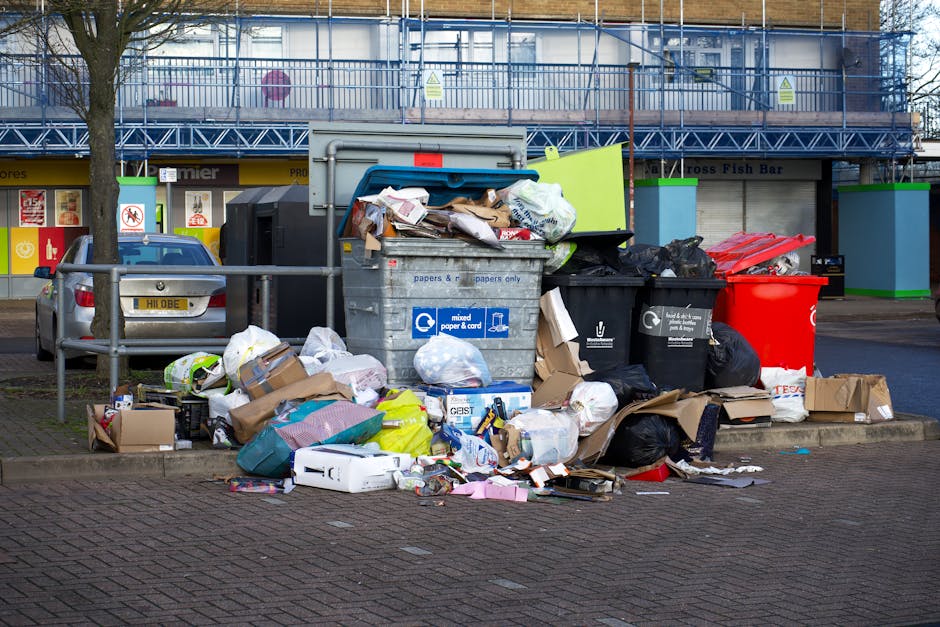
If you are sorting out a home in Yeading, you already know rubbish clearance can turn from "quick tidy-up" into a proper mission very fast. Old furniture in one room, mixed bags in the hallway, a loft that seems to swallow everything, and a driveway that's suddenly half blocked by broken bits of timber. Estate by estate rubbish clearance tips for Yeading UB4 homes are about making that job calmer, safer, and far more efficient - whether you are clearing one property, a run of flats, or several homes on the same estate.
Done well, estate clearance is not just about taking things away. It is about planning access, separating reusable items, handling waste responsibly, and keeping neighbours, landlords, and managing agents onside. In this guide, you will get practical steps, local considerations, common mistakes to avoid, and a realistic view of how different clearance methods compare. Nothing fancy. Just the sort of advice that actually helps on a wet weekday morning when the van is waiting and the stairwell is tight.
Quick takeaway: The best estate clearance jobs in UB4 are usually the ones planned room by room, with waste sorted before collection day, the right disposal route chosen for the material, and a clear eye on safety, access, and recycling.
- Why estate-by-estate rubbish clearance matters
- How the clearance process works
- Key benefits and practical advantages
- Who this is for and when it makes sense
- Step-by-step guidance
- Expert tips for better results
- Common mistakes to avoid
- Tools, resources and recommendations
- Law, compliance, standards and best practice
- Options, methods and comparison table
- Case study or real-world example
- Practical checklist
- Conclusion
- Frequently asked questions
Why Estate by estate rubbish clearance tips for Yeading UB4 homes Matters
Estate clearance sounds straightforward until you are actually standing in the middle of it. Homes on estates in UB4 often have shared access, limited parking, narrow pathways, stair-only access, and neighbours who understandably do not want a day of noise, mess, and blocked bins. That is why a more careful estate-by-estate approach matters so much.
On a practical level, clear planning reduces the chance of damaged walls, missed collections, and pointless double-handling. It also helps you separate items that can be reused, donated, recycled, or disposed of in the right way. Truth be told, a lot of the cost in clearance comes from inefficiency. The more mixed and unprepared the waste, the more time and labour the job usually takes.
For Yeading and the wider UB4 area, this also matters because many properties are lived in by families, tenants, landlords, or executors managing a sale or move. You often need a clearance process that is tidy, discreet, and flexible. Let's face it: nobody wants a big pile of old bedding and broken shelving sitting outside longer than necessary.
There is also the issue of responsibility. If rubbish is left in communal areas or fly-tipped nearby, everybody notices. A sensible clearance plan helps avoid complaints and keeps the estate looking cared for. That matters for resale value, for community relations, and for simple day-to-day comfort. You can feel the difference when a place has been cleared properly - it breathes again.
How Estate by estate rubbish clearance tips for Yeading UB4 homes Works
The basic process is simple, but the detail is where good results happen. Estate clearance usually starts with a survey of the property or properties. The aim is to understand what is there, how much there is, and what type of access the team will have. A ground-floor maisonette with direct access is one thing. A top-floor flat with a tight stairwell is another story entirely.
Next comes sorting. Not all waste should be treated the same way. Some items may be suitable for reuse. Some can be broken down for recycling. Some may need specialist handling, such as electrical items, paint, or anything that could be classed as hazardous. A decent clearance plan separates these streams before removal, not after, because that saves time and reduces mistakes.
Collection then happens in a way that suits the site. For some homes, that means bagged waste and furniture moved by hand through shared access. For larger jobs, it may involve a team, a van, and careful loading from a driveway or roadside position where permitted. Once removed, waste should be taken to the proper disposal or recovery route, with records kept where appropriate.
If you are comparing providers, check how they handle sorting, lifting, and documentation. A transparent company should be able to explain what happens to the waste in plain English. No fluff. Just the facts.
Key Benefits and Practical Advantages
Estate-by-estate clearance gives you more control than a rushed one-off strip-out. You can prioritise what needs to go first, protect items worth keeping, and reduce the risk of cross-contamination between different waste types. That last point matters more than people think, especially where one skipped step can turn a recyclable load into general waste.
Here are the main benefits:
- Better organisation: Each property or block can be handled in a logical sequence, which cuts confusion.
- Less disruption: Good planning keeps hallways, entry points, and parking areas clear for residents and neighbours.
- Improved recycling: Sorting items properly increases the chance that wood, metal, cardboard, and reusable furniture are diverted from disposal.
- Lower stress: You are not trying to deal with everything at once, which helps when emotions are already running high, as with probate or a move-out.
- Safer handling: Heavy, awkward, or dirty items can be moved with the right equipment and techniques.
- More accurate pricing: When the scope is clear, quotes tend to be clearer too.
There is a quieter benefit as well: a well-run clearance job usually leaves the home ready for the next step much faster. Whether that is cleaning, decorating, letting, or listing for sale, fewer leftover items means fewer delays. And in property work, delays have a habit of getting expensive.
Who This Is For and When It Makes Sense
This kind of clearance is useful for a surprisingly wide range of people in Yeading UB4. It is not just for big house moves or full estate sales. In our experience, the following situations come up again and again:
- Homeowners clearing out a loft, garage, spare room, or full property.
- Landlords preparing a rented home between tenancies.
- Letting agents needing a quick, tidy turnaround after a move-out.
- Executors and families handling probate or an inherited home.
- Property managers dealing with estate-wide waste issues in communal or vacant units.
- People downsizing who need a calm, staged clearance rather than a frantic weekend job.
It makes sense when waste is too much for normal household collections, too bulky for a car, or simply too awkward to deal with safely by yourself. A single sofa or mattress is one thing. Three rooms of mixed household junk, old appliances, and random bags from the shed? That is a different beast.
If you are unsure whether your job needs a full clearance or just a small removal, start by listing what is there and how quickly it needs to be gone. That simple exercise often makes the answer obvious.
Step-by-Step Guidance
Here is a practical way to approach an estate clearance without losing the plot halfway through.
1. Walk the property first
Do a complete walkthrough before moving anything. Check every room, cupboard, loft space, shed, balcony, and communal storage area if applicable. Make notes on what stays, what goes, and what might need special handling. A phone camera helps, especially if you are comparing quotes.
2. Separate items into clear groups
Use simple categories: keep, sell, donate, recycle, and dispose. If you are sorting on-site, label boxes or use coloured bags. You do not need a fancy system. You just need one that works while you are tired and a bit fed up. That is usually the real test.
3. Check access and parking
Measure doorways, stair turns, and any tight passages. Make a note of parking restrictions, loading space, and whether there are shared entrances or lifts. Small access issues can slow a job down more than people expect. One awkward corner, and suddenly a wardrobe becomes a puzzle.
4. Remove high-value and sensitive items first
Before any clearance starts, take out personal documents, keys, bank cards, photos, jewellery, and anything sentimental. You would be surprised how often important items turn up inside drawers, coat pockets, or old boxes with no label. Always check twice. Then check again.
5. Set aside reusable and recyclable items
Good clearance should not treat everything as rubbish. Furniture in decent condition, clean metal, cardboard, and certain appliances may have separate routes. A sensible operator will look for reuse or recycling first where it is practical and lawful.
6. Clear in the right order
Usually, it is easiest to move from top to bottom in a property, or from the least-used space to the most awkward. Heavy furniture often goes last so that you do not block your route out. It sounds obvious, but on a busy day obvious things are the first to go missing.
7. Sweep and final-check
Once the waste is removed, do a final sweep. Check behind doors, under beds, in cupboards, and in garden corners. A proper finish saves callbacks later, and nobody enjoys a "there's still one bag left" message the next day.
Expert Tips for Better Results
A few small decisions make a big difference in estate clearance work. These are the tips that tend to separate a smooth job from a frustrating one.
- Photograph everything before the job starts. It helps with quoting, planning, and avoiding confusion about what was present.
- Keep a separate box for documents and valuables. Do not mix this with general sorting, even if you are in a rush.
- Book clearance before cleaning. It seems obvious, but people still clean first and then carry dust through the property again.
- Use sealed bags for loose waste. Bags hold dust down and make removal faster.
- Ask how the team handles stairs and shared spaces. Good teams protect walls and minimise mess.
- Plan for timing around neighbours. Early starts are not always ideal, especially in dense estate settings.
One small but useful observation: the best jobs usually have one person making decisions and one person sorting. Too many cooks, as the old saying goes, and you end up moving the same lamp three times. Nobody needs that.
If you are clearing a property after a long tenancy, a family event, or a stressful move, build in a short buffer. Even half an hour to breathe, drink some tea, and reset can help avoid poor decisions about what should stay and what should go.
Common Mistakes to Avoid
Most clearance problems are not dramatic. They are small, avoidable errors that add time and cost. The most common ones are easy to spot once you know what to watch for.
- Leaving sorting until the last minute. Mixed waste takes longer to handle and can raise costs.
- Assuming everything can go in one load. Some items need special handling, and some should never be mixed with regular household waste.
- Ignoring access restrictions. If a van cannot park close by, the whole job may take longer than planned.
- Forgetting shared areas. Stairs, landings, bin stores, and communal hallways need care and tidiness.
- Not checking what can be reused. Good furniture or working appliances may have value elsewhere.
- Choosing a provider only on price. Cheapest is not always best, especially if waste handling, insurance, or timekeeping is weak.
There is another one people sometimes miss: not agreeing on what happens after the clearance. Does the team sweep up? Remove fixings? Handle a final key handover? If nobody confirms it, assumptions creep in. And assumptions, as ever, are where the headaches start.
Tools, Resources and Recommendations
You do not need a van-load of equipment to manage estate clearance well, but a few tools make life easier:
- Heavy-duty gloves for handling sharp or dirty waste.
- Reusable rubble sacks or strong refuse bags for loose items.
- Labels and marker pens for keep, donate, recycle, and dispose piles.
- Dust sheets and moving blankets to protect floors and shared hallways.
- Trolley or sack truck for bulky but movable items.
- Torches or head torches for lofts, under-stairs cupboards, and darker storage areas.
For local-style planning, it also helps to look at your property type. A flat clearance usually needs different handling from a garden or garage clearance. If you are dealing with mixed rooms and storage areas, services such as flat clearance, garage clearance, loft clearance, or home clearance may be more relevant than a general waste-only approach.
For larger or more mixed jobs, it can also help to compare waste removal with more targeted options like house clearance or furniture clearance. The right method depends on the volume, the access, and how much sorting you want done for you.
Law, Compliance, Standards and Best Practice
Clearance work in the UK needs to be handled with care. You do not need to be a lawyer to make sensible decisions, but you do need to understand the basics. Waste should be taken by someone authorised to carry it, and it should end up at the proper disposal or recovery facility. That is standard practice, not a bonus feature.
When you are choosing a clearance provider, it is reasonable to ask how they handle waste transfer, insurance, and safe working practices. A trustworthy company should be open about how it operates and what protections it has in place. If a provider seems vague about that stuff, treat it as a warning sign.
Safety matters too. Shared stairs, tight hallways, and heavy items create real lifting risks. Good practice usually includes manual handling care, protective equipment, and a sensible approach to protecting walls, floors, and doors. The aim is not just to remove waste, but to do it without causing new problems. Simple enough, but worth saying.
If your clearance involves electrical items, fridges, paint, batteries, sharp waste, or anything that could be hazardous, ask specifically how those items will be managed. Do not guess. Better to ask a slightly awkward question than to find out later that something was handled badly.
For business-related or larger-scale jobs, pages such as business waste removal and office clearance can also be useful references when the waste mix goes beyond typical household items.
Options, Methods, or Comparison Table
Different clearance methods suit different types of Yeading UB4 homes. Here is a simple comparison to help you choose the most practical route.
| Method | Best for | Pros | Watch-outs |
|---|---|---|---|
| DIY clearance | Small volumes, a few bulky items, easy access | Cheap if you already have transport; full control | Time-consuming; lifting risk; disposal rules can be tricky |
| Skip hire | Longer projects, ongoing renovation waste | Useful for gradual filling; good for heavy mixed waste | Permit issues may apply; access and space can be awkward |
| Professional clearance | Whole-home, estate, or time-sensitive jobs | Fast, organised, less hassle, lifting handled for you | Needs a reliable provider; pricing depends on scope and access |
| Targeted item removal | Furniture, appliances, specific room clearances | Flexible and cost-effective for smaller needs | May not suit large or mixed estate jobs |
If your situation is a "few bits and pieces" job, a targeted approach may be enough. If it is a whole property or multiple rooms, professional clearance often saves more time than it costs. That is not a sales line - just how the maths tends to work out.
Case Study or Real-World Example
Here is a realistic example from the kind of job that comes up often in UB4. A family needed to clear a two-bed flat after a long tenancy. The property had a mix of old furniture, bags of clothes, a broken wardrobe, a few kitchen items, and a loft-style storage cupboard packed with "we'll sort that later" boxes. You know the kind.
The team began with a quick walkthrough, identified what was staying, and separated paperwork, keepsakes, and reusable items before touching the main clearance piles. The stairwell was narrow, so the larger items were planned for removal last, once the loose waste had already gone. That simple choice reduced blocking in the communal area.
During the job, one small snag came up: a heavy chest of drawers had been pushed in front of the only safe exit route. Instead of forcing it, the team shifted the order and used a second route after checking access carefully. Not glamorous, but it avoided damage and probably saved thirty minutes of grumbling.
By the end, the flat was left clear, with only final cleaning to do. The bigger lesson? The job went smoothly because the sorting happened first, not after the van arrived. That one decision changed the whole pace of the day.
Practical Checklist
Use this checklist before clearance day so you are not scrambling around at the last moment.
- Walk through every room, loft, cupboard, and storage area.
- Separate keep, donate, recycle, and dispose piles.
- Remove documents, keys, cash, jewellery, and sentimental items.
- Take photos of the clearance area before work starts.
- Check stairs, lift access, parking, and entry points.
- Confirm whether any items need special handling.
- Protect floors, corners, and shared areas where needed.
- Decide what should happen to reusable furniture or appliances.
- Make sure bags are sealed and labelled clearly.
- Do a final sweep before signing anything off.
Mini reminder: if it feels like there is "too much to think about," break it down room by room. That little reset helps more than people expect.
Get a free quote today and see how much you can save.
Conclusion
Estate by estate rubbish clearance tips for Yeading UB4 homes are really about turning a messy, stressful task into a controlled process. Start by sorting properly, plan access carefully, respect shared spaces, and choose the right clearance method for the job in front of you. That approach saves time, reduces stress, and usually leads to a cleaner finish.
If you are dealing with a home move, probate clear-out, tenancy change, or a long-overdue sort-out, the main thing is not to rush the first step. A calm plan at the start makes the rest feel much lighter. And that is no small thing when you are standing in a room full of old furniture and half-full boxes at 8am.
Take it one room at a time. The rest follows.
Frequently Asked Questions
What does estate by estate rubbish clearance mean?
It means clearing waste, bulky items, and unwanted belongings property by property or block by block rather than treating the whole area as one generic job. It helps with planning, access, and sorting.
Is this the same as general rubbish removal?
Not quite. General rubbish removal is usually focused on waste collection, while estate clearance often includes sorting, furniture removal, access planning, and handling multiple rooms or properties.
How do I know if I need a full house clearance or just waste removal?
If you only have a few items and some bagged rubbish, waste removal may be enough. If the property contains furniture, storage rooms, or multiple categories of unwanted items, a full house clearance is often more suitable.
Can furniture be reused instead of thrown away?
Sometimes, yes. If items are in decent condition, many clearance jobs will try to separate reusable furniture from general waste. That depends on condition, safety, and whether the item can realistically be passed on.
What should I remove before a clearance team arrives?
Take out valuables, documents, keys, cash, medicines, and anything sentimental. It is also smart to remove any personal paperwork from drawers, cupboards, and behind furniture.
How long does an estate clearance usually take?
It depends on volume, access, and how sorted the items are. A small flat can be much quicker than a cluttered house or a property with loft, garage, and garden waste mixed together.
Do I need to sort everything before the team arrives?
Not everything, but the more you separate items in advance, the smoother the job usually goes. At minimum, have keep, donate, recycle, and dispose piles ready where possible.
What happens to items that cannot be recycled?
They are generally taken to the appropriate disposal route after sorting, depending on the material type and condition. A good provider should be able to explain their process clearly.
Is estate clearance safe in shared blocks or estate flats?
It can be, provided the team handles lifting carefully, protects shared areas, and plans access properly. Stairwells, lifts, and corridors need extra care because they affect neighbours too.
What if I only need one room cleared, like a loft or garage?
That is very common. Many people start with one problem area such as a loft, garage, or garden store. A targeted clearance can be a sensible first step before tackling the whole property.
Should I choose the cheapest quote?
Not automatically. Price matters, of course, but so do reliability, clear communication, handling of waste, and whether the provider seems properly organised. The cheapest option can become the expensive one if things go wrong.
How can I make the process less stressful?
Start early, sort by room, keep important items separate, and choose the clearance method that matches the scale of the job. A clear plan turns a heavy job into a manageable one, and that makes all the difference.