Rubbish recycling points for Yeading Green and UB4 residents
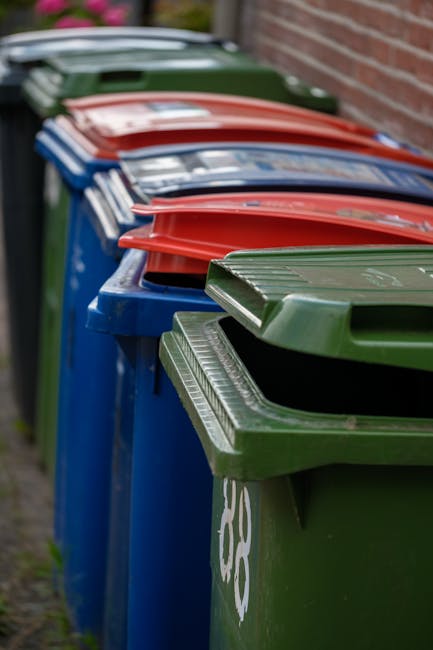
If you live near Yeading Green or anywhere in UB4, sorting rubbish can feel oddly complicated. One bag goes to recycling, another needs a depot or reuse point, and then there's the bulky item by the front door that never seems to fit anyone's schedule. This guide on Rubbish recycling points for Yeading Green and UB4 residents explains how local recycling points generally work, what to take where, what to avoid, and when a waste collection service may make more sense. In plain English: less guesswork, fewer wasted trips, and a cleaner result.
Whether you are clearing a shed, downsizing a flat, or dealing with a week's worth of mixed household waste after a busy few days, the right approach saves time and awkward surprises. And yes, there is always one item that turns out to be trickier than it looked. Usually a mattress. Sometimes paint tins. Life keeps it interesting.
Why Rubbish recycling points for Yeading Green and UB4 residents Matters
Rubbish recycling points are more than a convenient drop-off option. For Yeading Green and UB4 residents, they sit right at the intersection of everyday household routines, local cleanliness, and sensible waste management. When they are used well, fewer recoverable materials end up in general rubbish and more items get a proper second life through recycling or reuse.
That matters for a few reasons. First, it helps reduce the amount of waste going to disposal facilities. Second, it keeps shared spaces neater and less cluttered, especially where homes are close together and bin storage is limited. Third, it can spare you from piling items beside bins and hoping they disappear by magic. They do not, sadly.
There is also a practical side. People in UB4 often deal with mixed waste streams: packaging from deliveries, broken furniture, garden cuttings, old electricals, and occasional renovation debris. Recycling points give you a structured way to separate some of that material before it becomes a bigger job. That makes the whole process more manageable, particularly if you are trying to avoid a weekend lost to shifting bags around the car boot.
For households, landlords, and small businesses alike, a clear understanding of what can be recycled, where, and how it should be presented is the difference between a smooth trip and a frustrating one. A little preparation goes a long way.
How Rubbish recycling points for Yeading Green and UB4 residents Works
At a basic level, a recycling point is a designated place where certain waste streams can be dropped off separately from ordinary household rubbish. Some locations accept everyday recyclables; others are more specialised and may take bulky, electrical, garden, or hazardous items. The exact acceptance rules vary, so the key is always to check before you load the car.
Think of it as sorting at source. You bring materials already separated into sensible groups, and the site or point handles the next stage. That usually means one container for mixed recycling, another for general waste, and separate arrangements for items such as scrap metal, cardboard, small electricals, or textiles. Not every point accepts everything. In fact, some are deliberately narrow in what they take, which is fair enough when you consider health and safety.
For local residents, the process normally follows this pattern:
- Identify the item type: paper, plastics, glass, metal, wood, soil, electronics, furniture, or something else.
- Check whether it is clean, dry, and suitable for recycling or reuse.
- Confirm the correct drop-off point and any access rules.
- Separate the waste before travel to avoid mixing different materials together.
- Transport the items safely, especially if they are sharp, heavy, or dusty.
- Follow any staff instructions on site and place each item in the right area.
A useful way to think about this is that recycling points reward preparation. The better your sorting, the smoother your visit. If you arrive with a jumble of mixed rubbish, damp cardboard, a broken chair, and a half-used tin of paint all thrown together, you will almost certainly have a harder time than you needed to.
For more involved clearances, many residents choose a wider waste service instead of multiple trips. If you are dealing with a full home clear-out or bulky mixed load, it may be worth looking at waste removal or a more specific service such as home clearance. That can be especially useful when the waste is too much for one car journey, or when time is tight and, let's face it, nobody wants five separate runs in drizzle.
Key Benefits and Practical Advantages
Using recycling points properly brings several practical benefits that are easy to overlook when you are in a rush.
- Less waste going to disposal: recyclable and reusable items are kept separate at the start.
- Cleaner homes and streets: fewer bags left sitting around awaiting collection day.
- Better organisation: once you sort waste by type, future clear-outs become much easier.
- Lower stress: you avoid that last-minute scramble when the bin is full and the garage is, well, a bit of a disaster.
- More suitable handling for awkward items: e-waste, garden waste, and bulky furniture often need specific routes.
There is also a subtle but important benefit: recycling points help people think in categories. The habit of separating cardboard, mixed plastics, food waste, metal, and non-recyclable rubbish often carries over into daily life. That sounds small, but over time it makes domestic waste easier to manage.
For residents living in flats or shared buildings, the difference can be even more noticeable. Shared bin stores fill up quickly, and one resident's overflow can become everyone's problem. Recycling points can help relieve pressure when the building is having a particularly busy week. You know the kind. Deliveries arrive, a cupboard gets cleared, and suddenly there are boxes everywhere.
For businesses nearby, the logic is similar. Office stockrooms, retail packaging, or small commercial clear-outs can create awkward waste that should not just be piled into ordinary bins. In those cases, a linked service such as business waste removal may be a better fit, especially if the waste needs collection, sorting, and a proper chain of handling.
Who This Is For and When It Makes Sense
Not everyone needs the same waste solution. Recycling points are most useful when you have separated materials and can transport them safely yourself. They are ideal for people who are dealing with moderate amounts of waste, have a car or van available, and are able to spend a little time sorting items beforehand.
Typical users include:
- Households clearing out packaging, old household items, or small appliance waste
- Flat residents with limited bin space but manageable bags or boxes of recyclables
- Garden owners dealing with cuttings, soil, pots, and seasonal green waste
- Landlords preparing for a tenancy changeover
- Tradespeople or DIYers who need to separate non-hazardous materials after light work
- Local businesses with occasional surplus cardboard, office rubbish, or old furniture
It makes particular sense when the load is clearly recyclable and not contaminated. For example, flat-packed cardboard, clean glass bottles, and small metal items are usually straightforward. By contrast, a wet mattress, broken plasterboard, or a mixed pile of random junk from a loft clearance is a different story. That is where a more comprehensive service can be easier on your nerves.
If your waste is mostly furniture, consider dedicated disposal or clearance options rather than trying to force it through a recycling point that may not accept it. The same is true for lofts, garages, and whole-house clearances. Those jobs are often best handled as a single organised project instead of a string of errands. A service like garage clearance, loft clearance, or house clearance can save time when the volume is simply too much.
Step-by-Step Guidance
If you want a smoother experience, follow a simple routine. Nothing fancy. Just a clear process that reduces mistakes and keeps things moving.
- Sort by material first. Put paper and card together, metals together, glass together, and anything unusual in its own pile.
- Separate clean from dirty. A greasy pizza box and clean cardboard are not the same thing. The grease matters.
- Set aside non-recyclables early. Broken mixed-material items, contaminated packaging, and soft items often need a different route.
- Check weight and size. Heavy sacks, bulky furniture, and sharp items can be awkward to lift and transport safely.
- Choose the right destination. A standard recycling point is not always suitable for everything. Some items need a specialist drop-off or collection.
- Pack the vehicle sensibly. Place fragile items where they will not smash and heavy items low and secure. No one enjoys glass across the boot floor.
- Follow site instructions carefully. If staff direct you to a specific container, use it. It keeps the site safe and efficient.
- Think ahead for the return trip. If you still have more waste at home, plan the next stage before the first load comes back to haunt you.
A tiny but useful tip: keep a box in the hallway or utility area for small recyclables during the week. It stops lightweight items drifting around the house and makes sorting easier when you are ready to go. Simple, but it works.
Expert Tips for Better Results
After plenty of clear-outs, one thing stands out: the best waste jobs are usually the ones that were prepared for properly before anyone picked anything up. Here are a few practical tips that make a real difference.
- Break down cardboard before travel. Flat packs, boxes, and packaging take up far less room that way.
- Keep wet and dry waste apart. Damp material can contaminate a much larger pile than you expect.
- Bag loose fragments carefully. Broken ceramics, glass, and small sharp offcuts should be wrapped or contained.
- Use the right service for the right job. A recycling point is not always the answer for bulky, mixed, or heavy waste.
- Save repeat trips by grouping waste. If you know a loft, shed, or room will be cleared soon, hold off on half-finished loads until you can do it properly.
- Check whether items can be reused first. Sometimes a sturdy chair, table, or cabinet is better suited to reuse than disposal.
If furniture is still usable, think about whether it should be kept in circulation rather than broken down unnecessarily. When items are no longer fit for use, a proper route through furniture clearance or furniture disposal can be the cleaner, safer answer.
Another small piece of real-world advice: avoid leaving waste sorting until the morning you plan to leave. That is when people make rushed choices, and rushed choices usually mean a mixed bag of the wrong things in the wrong place. We have all been there. Coffee in hand, head not quite awake, and suddenly every bin looks the same.
Common Mistakes to Avoid
Most problems with recycling points are predictable. The good news is that they are also avoidable once you know what to look for.
- Putting contaminated items into recycling: food-soaked card, oily containers, and dirty packaging can spoil a load.
- Mixing different waste streams: electronics, household rubbish, and green waste usually need different handling.
- Assuming every point accepts the same materials: acceptance rules are not universal.
- Ignoring size and weight limits: especially with bulky waste and awkward household items.
- Leaving sharp objects exposed: a loose nail or broken glass shard can create avoidable injury risk.
- Using a recycling point as a dumping ground: if an item does not belong there, it will eventually become someone else's problem.
Another one that catches people out is overestimating how much will fit in a normal car. A couple of bags? Fine. Two wardrobes, half a shed, and a disassembled sofa? That is a different afternoon entirely. If the load looks more like a proper clear-out than a recycling run, consider a professional collection instead.
If the waste came from renovation or light building work, materials such as rubble, timber offcuts, plaster, and packaging may be better handled via builders waste clearance. If you are not sure which route fits, that uncertainty itself is often a sign that a collection service may be simpler.
Tools, Resources and Recommendations
You do not need a lot of equipment, but a few basic tools make the process far easier.
- Reusable sacks or strong boxes: better than weak bags that split halfway to the car.
- Gloves: useful when handling cardboard edges, metal pieces, or dusty items.
- Marker pen: label bags or boxes if you are sorting multiple waste types in advance.
- Trolley or sack truck: helpful for flats, larger homes, or heavy items.
- Dust sheets or old blankets: protect the boot and keep loose debris contained.
For people who regularly manage household waste or clear-out jobs, it also helps to keep a simple storage area for recyclable material. A corner in the garage, utility room, or hallway cupboard can work well, as long as it stays dry and tidy.
As a broader recommendation, think beyond the single trip. If you have a recurring need for clearance, especially in a business setting, it may be worth reviewing your whole waste routine rather than solving each problem item by item. Services such as office clearance and recycling and sustainability are useful reference points when you want a more structured, responsible approach.
For pricing questions or larger jobs, the page on pricing and quotes can help you think about the commercial side before you book anything. And if you are the sort of person who likes to know who you are dealing with first, about us is worth a look as well. Trust matters here. It really does.
Law, Compliance, Standards, or Best Practice
Waste handling in the UK sits within a broader framework of environmental responsibility, public safety, and proper disposal practice. You do not need to become a legal expert to use a recycling point sensibly, but it helps to understand the basics.
In everyday terms, the expectation is simple: separate waste carefully, do not contaminate recyclable streams, and use authorised routes for anything that needs special handling. That includes items like electrical goods, some garden waste, certain liquids, and materials that may carry a contamination or safety risk. If something seems questionable, treat it cautiously rather than guessing.
Best practice also means thinking about duty of care. In plain English, if you produce the waste, you should take reasonable steps to make sure it goes to the right place. For households this is mostly practical common sense. For businesses, the expectation is more formal, and records, collection arrangements, and clear procedures may matter more.
Safety is part of the picture too. Sharp metal, broken glass, heavy lifting, dusty loft items, and mouldy contents can all create avoidable problems. Good sorting is not only about recycling efficiency; it is about avoiding injury and keeping everyone on site calm and safe. Nobody wants a surprise splinter or a box that gives way on the steps.
For readers dealing with property clear-outs, particularly in rented homes or multi-occupancy buildings, it is sensible to keep waste removal tidy and well documented. If you need additional reassurance around handling, insurance, or safe collection practice, the pages on insurance and safety and health and safety policy set out the kind of standards that matter in the background.
Options, Methods, or Comparison Table
If you are deciding between recycling points and a collection service, the simplest choice is usually the one that matches the volume, type, and urgency of the waste. Here is a practical comparison.
| Option | Best for | Advantages | Limitations |
|---|---|---|---|
| Local recycling point | Separated recyclables, small to moderate loads | Good for sorting, flexible, useful for regular household waste | May not accept bulky or contaminated items; requires your transport |
| Specialist collection | Bulky, mixed, or awkward waste | Convenient, faster for larger jobs, less lifting and sorting on your side | Usually better suited to bigger clear-outs than single items |
| Furniture or room clearance | Old furniture, multiple rooms, moving home, or decluttering | Efficient for large volumes, helpful for time-sensitive jobs | Not the cheapest option for a very small load |
| Garden or builders waste service | Green waste, rubble, timber, renovation debris | Better handling of awkward or messy material streams | Less useful for simple mixed household recycling |
The honest answer? If your waste is already sorted and you have a manageable quantity, recycling points are a sensible choice. If the job has grown legs and started looking like a mini clearance project, a service may be the calmer option. Calm is underrated.
Case Study or Real-World Example
Imagine a household in UB4 that has spent a Saturday clearing a spare room. By late afternoon they have a stack of cardboard from flat-pack furniture, a bag of mixed plastics, two broken office chairs, a few small electrical items, and a heap of general rubbish from the back of a wardrobe. At first glance, it all looks like "just rubbish." But once sorted, the picture changes.
The cardboard can go to a suitable recycling route if it is clean and dry. The plastics may need checking for contamination and material type. The electrical items need separate handling. The chairs are bulky enough to need a different decision, especially if they are not fit for reuse. And the general rubbish? That is still general rubbish, no matter how much we wish otherwise.
In this kind of situation, the family might make one recycling-point visit for the easy materials and arrange a collection for the rest. That split approach often works better than forcing everything into one method. It keeps the day manageable and avoids wasting effort on items that would just be rejected or handled inefficiently.
Another realistic example is a small office in the area that has updated desks and chairs. Packaging and cardboard can be straightforward. The old furniture is not. In that case, a planned office clear-out can be more efficient than trying to move it piece by piece. The same principle applies whether you are in a home, flat, or workplace: match the method to the waste, not the other way around.
Practical Checklist
Before you head out, use this quick checklist. It saves time and, more importantly, stops avoidable mistakes.
- Have I sorted waste by material type?
- Are all recyclable items clean and dry enough to be accepted?
- Have I separated anything sharp, heavy, dusty, or awkward?
- Do I know which items need a specialist route rather than a normal recycling point?
- Is the load safely packed for transport?
- Do I know what I am doing with bulky furniture, garden waste, or renovation debris?
- Have I checked whether a clearance service would be easier for this particular job?
- Do I need help for lifting, loading, or access in a flat or shared building?
If you can tick most of those off, you are in good shape. If not, that is fine too. It just means the job may need a slightly different approach.
Get a free quote today and see how much you can save.
Conclusion
For Yeading Green and UB4 residents, recycling points are a practical part of everyday waste management, not just a backup plan. Used well, they help you sort rubbish responsibly, keep homes and shared spaces tidier, and reduce the stress of dealing with awkward waste. The trick is to match the method to the material, and the material to the right place.
Start with good sorting, keep an eye on what is clean, dry, bulky, or hazardous, and do not be afraid to choose a clearance service when the job becomes more than a simple drop-off. That is not overthinking it. It is just being sensible.
And if the day ends with fewer bags in the hallway, a clearer garage, and one less thing nagging at the back of your mind, that is a decent win. Small wins count.
Frequently Asked Questions
What are rubbish recycling points for Yeading Green and UB4 residents used for?
They are used for separating recyclable or reusable materials from general rubbish. Depending on the site, that may include paper, cardboard, glass, metal, green waste, and small electrical items.
Can I take bulky furniture to a recycling point?
Sometimes, but not always. Bulky furniture is often better handled through a dedicated furniture clearance or furniture disposal route, especially if it is large, broken, or difficult to transport safely.
Do I need to clean items before recycling them?
Yes, as a general rule. Clean and dry items are much more likely to be accepted. Food residue, grease, and damp packaging can make recycling harder or lead to rejection.
What should I do with broken electrical items?
Small electricals usually need a separate recycling route. They should not be mixed with ordinary household rubbish. If you have several items, a more organised collection may be the easiest option.
Are recycling points suitable for garden waste?
Some are, but not all. Garden waste can include grass cuttings, branches, soil, and pots, and each of those may be treated differently. If you have a large amount, a garden clearance service may be more practical.
What is the best option if I have mixed rubbish and recyclables?
Sort out the recyclable items first, then decide whether the remaining waste is small enough for local handling or whether you need a general waste removal service. Mixed loads are where people often lose time, so a bit of planning helps a lot.
Can I use recycling points for office clear-out waste?
Yes, for some materials such as cardboard or certain small recyclable items. But desks, chairs, filing cabinets, and larger volumes usually fit better into an office clearance or business waste removal arrangement.
What if I do not have a car or van?
If transport is a problem, a collection service may be more convenient than trying to move waste yourself. That is especially true for heavy or bulky items, or if you live in a flat with awkward access.
How do I avoid being turned away at a recycling point?
Check what the site accepts, separate your waste carefully, and make sure it is clean and safe to handle. The more mixed or contaminated the load, the more likely it is to cause a problem.
Is it better to recycle everything myself or book a clearance service?
It depends on volume, time, and the type of waste. If you have a modest, well-sorted load, a recycling point makes sense. If the job is bulky, messy, or time-sensitive, a clearance service is often easier and more efficient.
What should I do with waste from a loft or garage clearance?
Sort reusable and recyclable items first, then separate bulky junk, old furniture, and anything hazardous or dusty. For bigger jobs, a loft clearance or garage clearance service is often the cleanest route.
Where can I learn more about responsible waste handling?
A good starting point is the recycling and sustainability page, which gives a broader sense of how waste can be handled more thoughtfully. If you are planning a job and want a practical route, pricing and quote information can help you compare options without guesswork.