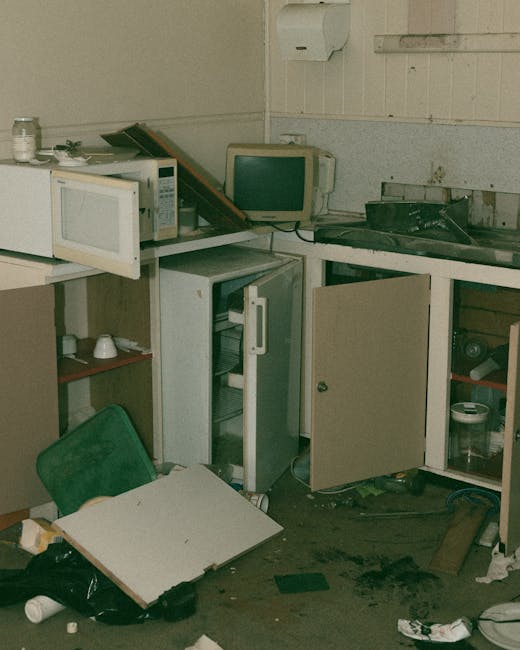
Yeading Estate Clearance: Case Study of a 3-Bed Flat Junk-Out
When a three-bedroom flat starts to feel more like storage overflow than a home, the job can become bigger than it first looks. That was the starting point for this Yeading estate clearance case study: a full 3-bed flat junk-out with bulky furniture, mixed household waste, a few awkward items, and that familiar "where do we even begin?" feeling. If you are facing something similar, this guide walks through what a proper flat clearance actually involves, why it matters, and how to handle it without turning the day into chaos.
Truth be told, most people do not need a grand speech about decluttering. They need a clear plan, a realistic timeline, and a sensible way to move everything out safely. In this article, we break down the job in plain English: from the first walkthrough to the final sweep-up, with practical notes on waste handling, furniture removal, and what to check before you book a team. We'll also touch on related services such as flat clearance, furniture clearance, and waste removal where they fit naturally.
One thing that surprises people is how much smoother the job feels when the sort-out is done properly before lifting begins. Not perfect. Just sensible. And in a compact estate flat, that can save hours.
Table of Contents
- Why Yeading Estate Clearance: Case Study of a 3-Bed Flat Junk-Out Matters
- How Yeading Estate Clearance: Case Study of a 3-Bed Flat Junk-Out Works
- Key Benefits and Practical Advantages
- Who This Is For and When It Makes Sense
- Step-by-Step Guidance
- Expert Tips for Better Results
- Common Mistakes to Avoid
- Tools, Resources and Recommendations
- Law, Compliance, Standards, or Best Practice
- Options, Methods, or Comparison Table
- Case Study or Real-World Example
- Practical Checklist
- Conclusion
- Frequently Asked Questions
Why Yeading Estate Clearance: Case Study of a 3-Bed Flat Junk-Out Matters
A 3-bed flat clearance is rarely just about "getting rid of stuff". It can be part of a move, a tenancy change, an estate arrangement, a renovation, or simply the point where a household has accumulated too much for the space it has. In Yeading, where many properties are part of larger residential estates or shared-access buildings, the practical details matter more than people expect.
The difference between a tidy, efficient clearance and a stressful all-day scramble often comes down to planning. You need to think about stairwells, lifts, parking, neighbours, access times, and what kinds of items are inside. A mattress is one thing. A wardrobe that has to be broken down on the landing? That is another matter entirely.
Estate clearances also carry an emotional side. If the property belonged to a family member, there may be sentimental items mixed in with general junk. If the flat is being handed back, there may be a deadline hanging over everything. So the job is practical, but it is also personal. Let's face it, no one wants to discover they've left sorting to the last afternoon before the keys go back.
This is why a clear, methodical junk-out process is valuable. It protects the building, reduces avoidable damage, and helps make sure reusable items, recyclable materials, and general waste are handled appropriately. It also makes the end result more predictable, which is a small but underrated relief.
Expert summary: A good estate clearance in a 3-bed flat is not just about speed; it is about sequencing, safe lifting, careful sorting, and leaving the property ready for the next step.
How Yeading Estate Clearance: Case Study of a 3-Bed Flat Junk-Out Works
Every clearance is a little different, but the core workflow is fairly consistent. In a typical 3-bed flat junk-out, the team starts by assessing the volume and type of items, then maps out the safest route for removal. That usually means identifying bulky furniture, loose waste, fragile items, and anything that may need special handling.
A useful flat clearance process usually follows this pattern:
- Initial walkthrough: The property is checked room by room, including bedrooms, hallway, kitchen, bathroom, cupboards, and storage nooks.
- Item sorting: Keep, donate, recycle, and remove are separated as clearly as possible. Even a rough sort helps.
- Access planning: Stairs, lifts, parking, and entry points are assessed before moving anything heavy.
- Safe dismantling: Large wardrobes, bed frames, and tables may need to be taken apart for safe removal.
- Loading and removal: Waste and furniture are carried out in a controlled way to reduce damage and disruption.
- Final sweep: The flat is checked for stray items, dust, or forgotten contents before sign-off.
In many cases, the hardest part is not the lifting. It is the sorting. A box in the back bedroom can hold old paperwork, cables, broken household bits, and one item worth keeping. That is why a proper team will slow down just enough to avoid mistakes, then speed up once the decision points are clear.
If the junk-out includes old furniture, it may overlap with furniture disposal or house clearance depending on the size and contents of the job. For mixed loads, the team may also combine removal with other forms of home clearance where appropriate.
Key Benefits and Practical Advantages
A well-run estate clearance is not just convenient. It can solve problems that pile up quickly when a flat is full and time is short. Here are the main benefits people usually notice first.
- Less stress: You do not have to handle the entire clear-out yourself, which is a big relief when the flat is packed.
- Faster turnaround: A professional team can move methodically and complete a large job in far less time than a DIY approach.
- Safer lifting: Bulky items, stairs, and tight corridors are where injuries and scrapes tend to happen.
- Cleaner finish: A proper junk-out usually includes a final tidy, not just a pile-by-pile removal.
- Better sorting outcomes: Reusable items, furniture, and waste can be separated with more care.
- Less building disruption: Good planning means fewer awkward blocks in communal areas and less disturbance to neighbours.
There is also a practical money angle. A cluttered flat can delay a sale, tenancy handover, refurbishment, or estate administration. Clearing it efficiently can help move the next step along without the usual stalling and back-and-forth.
And to be fair, there is a psychological benefit too. Walking into an empty, clean room after a full flat clearance feels different. Quieter. Lighter. Like the flat can breathe again.
Who This Is For and When It Makes Sense
This kind of clearance makes sense for a broad range of people, and not all of them are in the same situation. Some are dealing with a deceased estate. Some are preparing a rental property. Some are finally tackling years of accumulated furniture, boxes, and odds and ends. Others are helping a relative downsize and just need the heavy lifting taken care of.
You may need a 3-bed flat junk-out if:
- the property is too full to move through safely or comfortably
- the contents need sorting before sale, handover, or refurbishment
- bulky furniture will not fit in a normal vehicle
- there are time pressures from landlords, executors, or agents
- you need help separating furniture, general rubbish, and recyclable materials
- the job includes awkward access, stairs, or tight estate walkways
It also makes sense if you simply do not want to spend several weekends doing it yourself. There is nothing wrong with deciding that some jobs are better handed over. In fact, that is often the sensible choice.
If the property includes a garage, loft, or storage-heavy rooms, the job may expand into related areas like loft clearance or garage clearance. That can change the scale quite a bit, so it is worth flagging early.
Step-by-Step Guidance
If you are planning a Yeading estate clearance for a 3-bed flat, here is the most practical way to approach it. Nothing fancy. Just a sequence that tends to work.
1. Walk the property before anything moves
Start with a calm room-by-room walkthrough. Note the bulky items, fragile objects, and anything that should be kept aside. If the property is occupied, make a simple keep/take/remove decision on the spot where possible. It saves repeat handling later.
2. Separate obvious valuables and documents
Before a single item is carried out, set aside passports, photos, medication, keys, financial paperwork, and sentimental pieces. A little stack in the wrong room can be annoying to retrieve later. A very little stack. But still.
3. Check access and parking
In estate settings, this step matters more than people think. Ask where the vehicle can stop, how long loading can take, whether there are lift restrictions, and whether neighbours need advance notice. If the route out is narrow, plan for extra handling time.
4. Decide what can be reused, donated, or recycled
Not every item belongs in the same pile. Furniture in decent condition may be suitable for reuse. Other items may be broken down for disposal or recycling. The clearer your categories, the easier the rest of the day becomes.
5. Remove bulky furniture first
Large items usually create the biggest bottleneck, so get them out of the way early. Beds, wardrobes, sofas, shelving, and dining tables can dominate the room and slow everything else down.
6. Clear loose contents and mixed waste
Once the room opens up, the loose waste becomes easier to see. This is where bags, broken household items, old textiles, and small mixed items are collected. A team will usually keep loading as they go instead of making one giant heap in the hall. That part matters.
7. Do a final check
Before leaving, the flat should be checked for forgotten contents, hidden drawers, cupboards, window ledges, and under-bed spaces. It is amazing how often one sock, one cable, or one envelope survives the first pass.
For jobs that involve mixed rubbish and heavier loads, some households also look at waste removal alongside clearance. That can be useful when the flat contains more general junk than reusable household items.
Expert Tips for Better Results
In our experience, a smoother clearance usually comes down to a handful of simple habits. Not glamorous ones. Just the sort that prevent avoidable hassle.
- Label rooms before the team arrives: If multiple people are helping, labels stop confusion fast.
- Keep a "do not move" zone: One corner for important papers, keepsakes, and items being reviewed.
- Photograph tricky items: This helps if decisions need to be revisited later. Handy, honestly.
- Measure large furniture early: It helps spot dismantling needs before the team is standing in the hallway with a bed frame.
- Use bags for mixed loose waste: Smaller items become easier to handle and sort.
- Build in a buffer for access delays: Estate parking and lift access can be a little unpredictable.
Another good tip is to think in terms of flow. What should move out first? What needs a screwdriver? What should wait until the hall is clear? A job that feels messy often becomes manageable once you map the order.
And one honest note: if you are dealing with a sentimental property, do not expect yourself to make every decision quickly. That is normal. A decent crew will work around that without turning the day into pressure theatre.
Common Mistakes to Avoid
Most problems in flat clearance are avoidable. Usually. Here are the ones that show up again and again.
- Leaving the sort-out until moving day: This slows everything down and increases the chance of accidental disposal.
- Ignoring building access: A blocked lift or unsuitable parking plan can derail the whole timetable.
- Mixing keep and remove items: This is how important things get bundled into the wrong pile.
- Underestimating bulky furniture: A flat can look manageable until the wardrobes and sofas come into view.
- Forgetting about stairs and corners: Tight spaces matter more than floor area.
- Choosing the cheapest option without checking what is included: A low headline figure can be misleading if loading, sorting, or disposal is limited.
One more thing: do not assume the whole job can be done "as we go" if the flat is heavily cluttered. A little structure goes a long way. Without it, the day can feel endless.
Tools, Resources and Recommendations
You do not need a warehouse of equipment for a typical 3-bed flat junk-out, but the right basics do help. At minimum, a clearance team will usually rely on gloves, heavy-duty sacks, moving straps, trolleys, protective coverings, and suitable transport. Depending on the contents, dismantling tools may also be needed.
For clients preparing the property, the most useful "resource" is often a simple written note or room plan. Seriously. It beats vague verbal instructions when the pace picks up. A few sticky notes on doors can save a lot of second-guessing.
If you want a better idea of pricing, timing, and what is likely to be included, a page like pricing and quotes is a sensible place to start. If sustainability matters to you, especially for reusable furniture and recycling outcomes, recycling and sustainability is worth a look as well.
For businesses or landlords managing repeat properties, there may also be overlap with business waste removal or office clearance if non-domestic contents are mixed into the job. Not every clear-out is pure household waste, and that distinction matters.
Law, Compliance, Standards, or Best Practice
Clearance work in the UK should be approached with care, especially where waste transport, disposal, or sorting is involved. You do not need to be a legal expert to make a sensible decision, but you do need to understand that not everything can go into the same vehicle and vanish into the ether. It doesn't quite work that way.
Best practice usually means using a responsible clearance provider that follows proper waste handling procedures, protects staff and building users, and treats reusable, recyclable, and non-recyclable items appropriately. For a flat in an estate setting, that also includes respect for communal areas, safe lifting, and minimal disruption to neighbours.
Where items may contain personal data, paperwork, or sensitive materials, take care before disposal. Separate what should be retained, shredded, or kept secure. If you are handling an estate, a tenancy exit, or a property after a bereavement, this part deserves extra attention. No rush.
It is also sensible to check policies on safety, insurance, payment, and complaints before booking. A trustworthy provider should be transparent about how they work. If you want to review those details on the site, pages such as health and safety policy, insurance and safety, payment and security, and terms and conditions help build that picture.
Options, Methods, or Comparison Table
There are a few ways to handle a 3-bed flat junk-out. The right one depends on time, physical effort, access, and how much sorting is needed.
| Method | Best for | Pros | Trade-offs |
|---|---|---|---|
| DIY clearance | Small, simple loads with plenty of time | Lower direct cost, full control | Time-consuming, physically demanding, harder to manage bulky items |
| Part-DIY with hired help | People who can sort but need lifting support | Flexible, can reduce effort | Still requires coordination and access planning |
| Professional flat clearance | Busy, large, awkward, or time-sensitive jobs | Fast, safer handling, better for bulky and mixed items | Higher upfront cost than doing it yourself |
A professional approach usually makes the most sense when there are stairs, deadlines, or a lot of furniture. DIY can work for very small jobs, but once a flat is heavily filled, the strain and time cost add up quickly. That's where people usually pause and think, "Actually... maybe not today."
Case Study or Real-World Example
Here's a realistic example of how a 3-bed flat junk-out in Yeading can unfold. A family needed the property cleared after a long period of storage buildup and general household accumulation. The flat contained bedroom furniture, old soft furnishings, mixed bags of household waste, kitchen items, and several awkward pieces that had to be moved carefully through shared access.
The first challenge was not the amount of waste, but the mix. There were items to keep, items to discard, and a few objects that needed a separate decision. So the team began with a room-by-room review, set aside the important items, and then identified the biggest obstacles: a wardrobe, a bed base, and a sofa that would not move cleanly through the hallway without dismantling.
Once the bulky pieces were tackled, the rest of the flat opened up quickly. Loose waste was then sorted into manageable loads, with care taken around communal areas and stair edges. The final stage was a basic sweep and a check of cupboards, corners, and storage spaces. Nothing dramatic. Just methodical work that made the property ready for its next use.
The key lesson from this case is simple: a clearance that looks overwhelming at the front door often becomes straightforward once the sequence is right. The problem is rarely the room itself. It is the pile-up of decisions inside it.
Practical Checklist
Use this checklist if you are preparing for a Yeading estate clearance or a 3-bed flat junk-out.
- Confirm what needs to stay and what can go
- Remove paperwork, jewellery, keys, and sentimental items first
- Measure large furniture and note anything that may need dismantling
- Check lift access, stairs, and parking arrangements
- Tell neighbours or the managing agent if access may be disrupted
- Separate reusable items from general rubbish where possible
- Keep fragile items clearly marked
- Ask about insurance, safety, and disposal approach before booking
- Review the quote and what is included
- Do a final room-by-room check before sign-off
If you are not sure whether an item belongs in a clearance load, keep it aside until you have checked. That small pause can prevent a very annoying mistake.
Conclusion
A Yeading estate clearance for a 3-bed flat is one of those jobs that looks bigger the closer you get to it. The good news is that with the right process, it becomes manageable. Start with sorting, respect the access constraints, move bulky items first, and leave enough room for the final check. Simple, but not easy if you try to wing it.
The real value of a professional junk-out is that it removes the physical burden while keeping the job organised, safe, and practical. Whether you are dealing with a move, a tenancy end, a family property, or a full reset of a cluttered flat, the aim is the same: make the space usable again without adding avoidable stress.
If you are ready to compare options or want a clearer idea of the next step, the most sensible move is to speak with a local clearance team and outline the contents, access, and timing. A brief conversation now can save a lot of friction later, honestly.
Get a free quote today and see how much you can save.
And if all you do after reading this is make the first sorting pile, that is still progress. A small one, but a real one.
Frequently Asked Questions
What is included in a Yeading estate clearance for a 3-bed flat?
Typically, it includes the removal of unwanted furniture, household junk, bagged waste, and other contents agreed in advance. The exact scope depends on what is being cleared and how much sorting is needed.
How long does a 3-bed flat junk-out usually take?
It depends on volume, access, and how much dismantling is required. A lightly filled flat can be much quicker than a heavily cluttered one. Stairs, parking, and lift access can also affect the timing.
Do I need to sort everything before the clearance team arrives?
Not necessarily, but basic sorting helps a lot. You should separate items to keep, especially documents and valuables. The more clearly you can flag what stays, the smoother the job will be.
Can old furniture be taken away too?
Yes, furniture is usually part of a flat clearance if agreed beforehand. Sofas, beds, wardrobes, tables, and shelving are common examples, although some pieces may need dismantling first.
What happens to reusable items?
Reusable items may be kept separate from general waste where possible. The way they are handled depends on condition, type, and the provider's sorting approach.
Is a flat clearance different from a house clearance?
Yes. A flat clearance usually involves estate access, stairs, lifts, shared hallways, and tighter manoeuvring spaces. A house clearance may have easier access, but more rooms or outbuildings.
What should I do with paperwork and personal documents?
Keep important documents aside before the clearance starts. If sensitive paperwork is no longer needed, handle it securely and do not leave it mixed in with general waste.
Do I need to worry about parking or building access?
Yes, absolutely. In estate settings, access can be the difference between a smooth job and a frustrating one. Check where vehicles can stop and whether there are any rules for lifts, loading, or time windows.
How can I make the quote more accurate?
Provide a clear description of the rooms, approximate volume, bulky items, access conditions, and any special concerns. Photos can help, but even a well-written list is useful.
What if the flat includes items from a loft, garage, or storage area?
That may increase the scope of the job. It can be worth mentioning related spaces early, especially if the clearance could overlap with loft clearance or garage clearance.
Is there a best time to book a clearance?
The best time is usually before a deadline becomes urgent. If you have a handover, move, or family arrangement coming up, booking earlier gives you more breathing room and fewer last-minute surprises.
How do I know if a clearance provider is trustworthy?
Look for clear policies, sensible communication, and transparent service information. Pages such as about us, insurance and safety, and complaints procedure can help you judge how a provider works in practice.